
A 90-year-old Indian villager was recently given a life sentence for the 42-year-old caste-related murder of 10 people. Legal experts claim this is a classic instance of "justice delayed, justice denied," and the families of the victims claim the court decision came far too late for it to have any significance for them.
Oldest residents of Sadhupur village in Uttar Pradesh's northern region still vividly recall the evening of December 30, 1981.
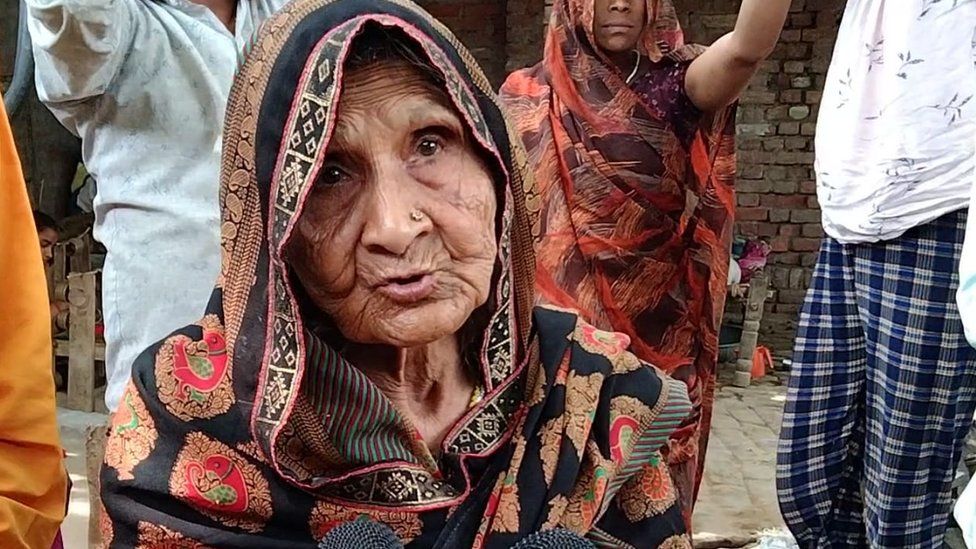
Around 6:30 p.m., a group of men stormed into my home's compound and began firing, claims Premvati. Although she is unsure of her exact age, she thinks she is around 75 years old.
She adds that within minutes, three of her children - sons aged 10 and 8 and a daughter aged 14 - lay dead all around her. "They didn't ask me anything, they just began spraying bullets at us," she says.
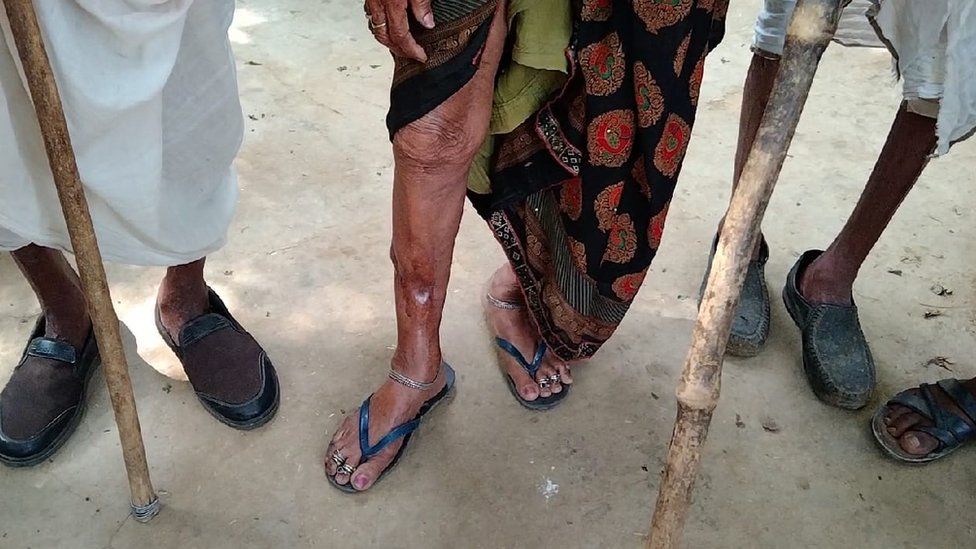
Premvati displayed her right leg, where she had been wounded by a bullet, to photographers and cameramen who came to the village in response to the court order. The scar has not faded even though the wound has.
Her children were one of the 10 Dalit community members—previously considered "untouchables"—who were killed that evening. One of the two injured women was Premvati.
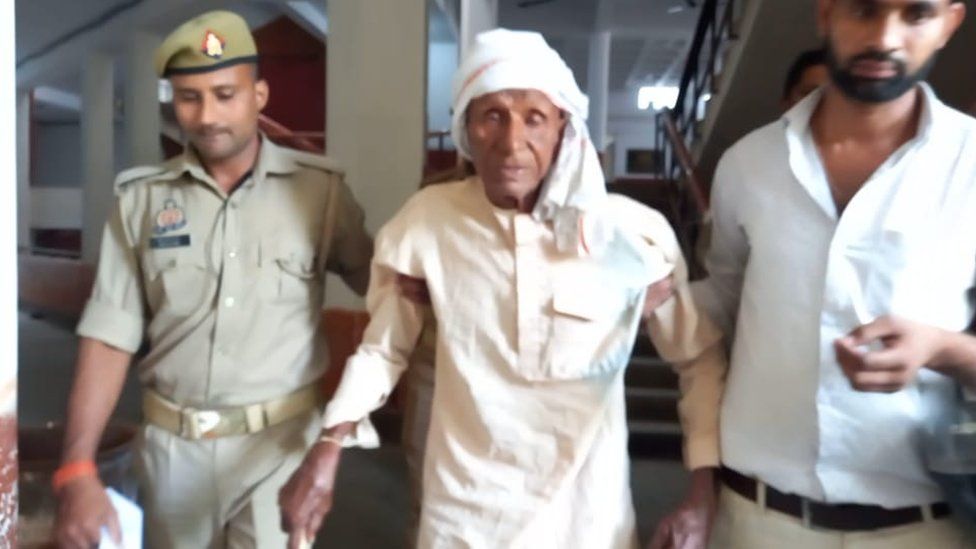
Ganga Dayal, the sole surviving defendant and a Yadav caste member, was given a life sentence by Judge Harvir Singh of the district court in the town of Firozabad on last Wednesday. Dayal was also required to pay a 55,000 rupee ($668; £533) fine, failing which he would have to serve a further 13 months in prison.
Nine out of the ten defendants had passed away during the trial, according to the ruling. Many of the witnesses for the prosecution and defense passed away in the interim, according to attorney Rajeev Upadhyay, who represented the government in court.
The timeline between the crime and the punishment was more than 40 years, so the case's specifics are somewhat hazy.
Insisting that their families had no animosity toward anyone, Premvati and other Dalit villagers back this up. However, Mr. Upadhyay stated that the violence was thought to have started when some Dalits complained about a ration store owned by a Yadav caste member, which strained relations between the castes.
When the crime first hit the news, Indira Gandhi, the prime minister at the time, and Vishwanath Pratap Singh, the chief minister of the state, allegedly visited the villagers and promised them justice.
Atal Bihari Vajpayee, a prominent member of the opposition Bharatiya Janata Party who later held the office of prime minister of India, had marched to the village to express his opposition to the killings.
Premvati recalled that the villagers learned of the conviction from journalists who had come to interview them about the court's decision. "He said he couldn't bring our dead back to life, but promised to help us get justice," Premvati said.
She remarked, "Only God knows if this is justice.
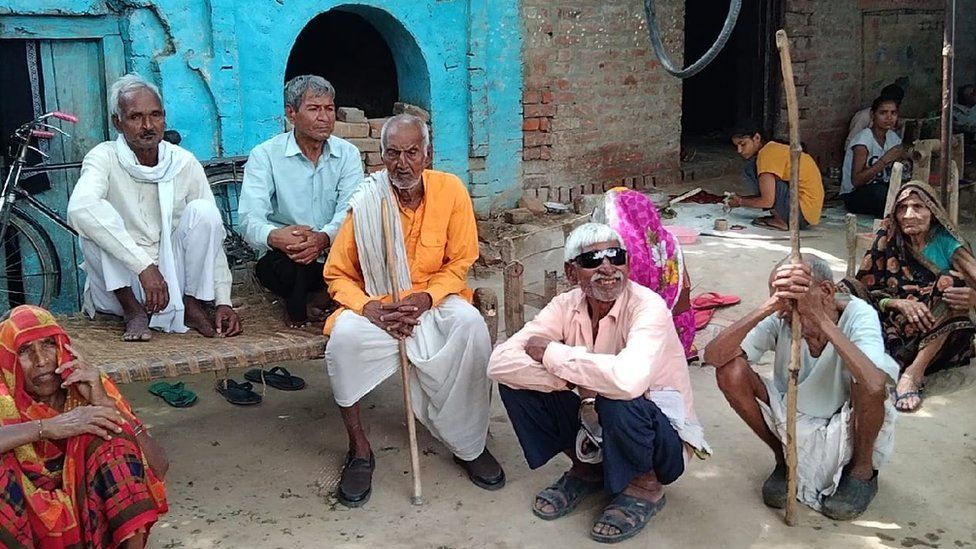
The much younger neighbor of Premvati, Maharaj Singh, who also lost family and grew up hearing tales of "that evening's carnage," said, "We appreciate that we have finally gotten justice, but it didn't come at the right time. If we had received justice sooner, we would have been happier.
"Justice was finally served by the courts after 42 years. Our elders would have passed away peacefully if there had been a conviction in five or six years, he continued.
According to Mr. Upadhyay, the reason the case took so long to be resolved was because the Mainpuri district was still a part of the village where the murders were committed at the time. But in 1989, it joined the recently established Firozabad district.
Before being transferred to the Firozabad court in 2001 on orders from the Allahabad high court, the case files had been abandoned in Mainpuri.
The hearings, according to Mr. Upadhyay, started in 2021 as part of a government initiative to reduce court backlogs and quickly resolve old cases.
He claims that the aim of the legal system and the government is to convince the populace that breaking the law will result in consequences.
Justice, according to attorney Akshat Bajpai, must be delivered promptly.
Indeed, justice was delayed and then denied in this case. Two to three year delays are understandable to most people, but 40 years?
As Dalits, who are among the most marginalized groups in the nation, Premvati is one of the people to whom Mr. Bajpai says "the state has the responsibility to deliver timely justice.".
He continues, "The victims and their families suffered for 42 years because of the failure of India's criminal justice system.
This court case is not the only one that has taken so long to resolve. Many Indians complain that the criminal justice system is notoriously slow, and they dislike how lengthy court cases can sometimes be (years or even decades).
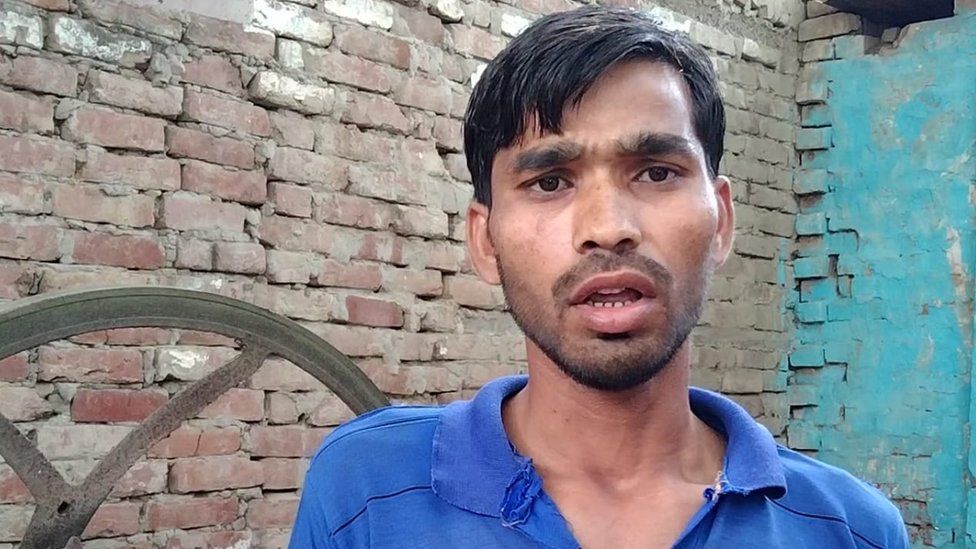
The number of unresolved cases as a result is enormous. The government informed the parliament that there were nearly 50 million cases still pending in Indian courts in February.
The primary reason for delays, according to MA Rashid, founder of the website Live Law and an authority on Indian criminal law, is a dearth of judges.
In India, the judge to populace ratio is extremely low, and the workload for each judge is enormous. As a result, trials drag on for a while. ".
Mr. Rashid also holds "archaic procedures" responsible for the lengthy delays in witness examination. For instance, a judge still records witness testimony by hand, despite the development of technology.
He claims that it typically takes at least five to ten years for appeals to be scheduled for a final hearing in the high court, and an additional year or so for the Supreme Court to hear the case.
Accordingly, he continues, "cases where convicts get exonerated after 20 or 30 years at the appellate stage are also not uncommon in India.".
the YouTube channel for BBC News India. Click . here. to subscribe and watch our explainers, features, and documentaries.