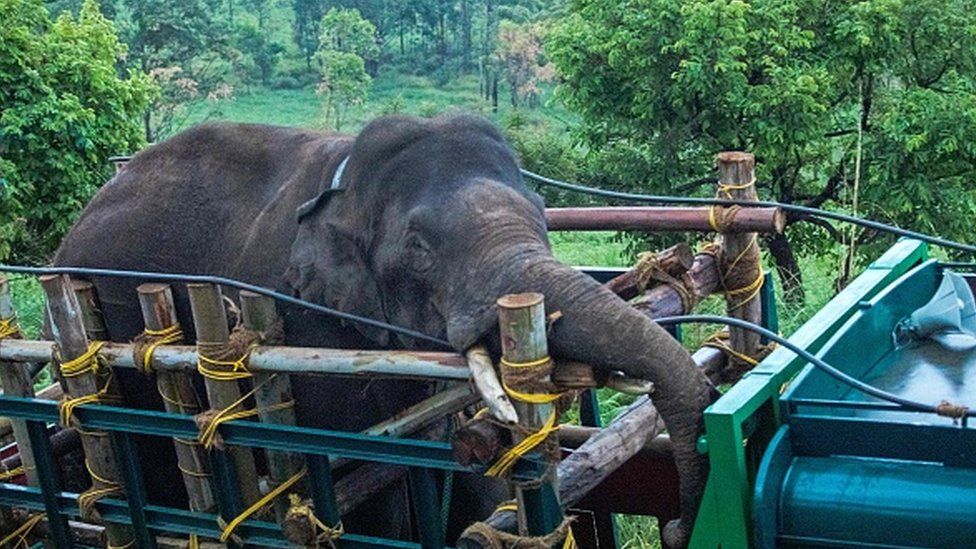
In less than a month, a wild elephant in India has been twice captured, sedated numerous times, and moved more than 280 km (173 miles) from its original forest in an effort to keep it from traveling to human settlements in search of food.
Known as the "rice tusker" because of his raids on neighborhood stores in search of rice, Arikomban has been relocated to the southern states of Kerala and Tamil Nadu while authorities work to find him a permanent home. The elephant has also been at the center of legal disputes and an animal rights discussion.
According to activist Sreedevi S Kartha, Arikomban has taken on special meaning in Kerala as a "symbol of resilience in the face of injustice.".
She told the BBC, "Events have demonstrated how brutal the translocation process can be for an elephant.". "It has raised people's awareness in the state. ".
A group of locals in the area of Arikomban's original habitat, Chinnakanal in Kerala's Idukki district, demanded his relocation earlier this year after frequent encounters with people sparked protests.
Local tribal communities dispute the official claim that the elephant has killed several people over the years.
Arikomban would be taken prisoner and trained as a captive elephant, the Keralan Forest Department announced. In order to ensure the animal's safety, rights activists petitioned the high court for intervention.
The government did not present any evidence of the elephant killing humans, according to Ms. Kartha, a representative of People for Animals, one of the organizations that filed the plea in court.
A court-appointed panel of experts determined in April that it would be preferable to relocate the tusker.
In order to capture Arikomban, 150 officials engaged in a massive operation over the course of two days in Chinnakanal. On April 29, the elephant was transported 80 kilometers (50 miles) to the Periyar Tiger Reserve.
Less than a month later, forest rangers in Tamil Nadu, the neighboring state, found themselves conducting a similar operation to move the animal once more.
On May 27, the tusker was seen in Cumbum, a town in the state. Social media videos showed the animal running through the crowded town and causing damage to structures and vehicles. Three people were hurt, and one of them, a 65-year-old man, died two days later from his injuries. As the authorities worked to capture the elephant, a curfew was put in place.
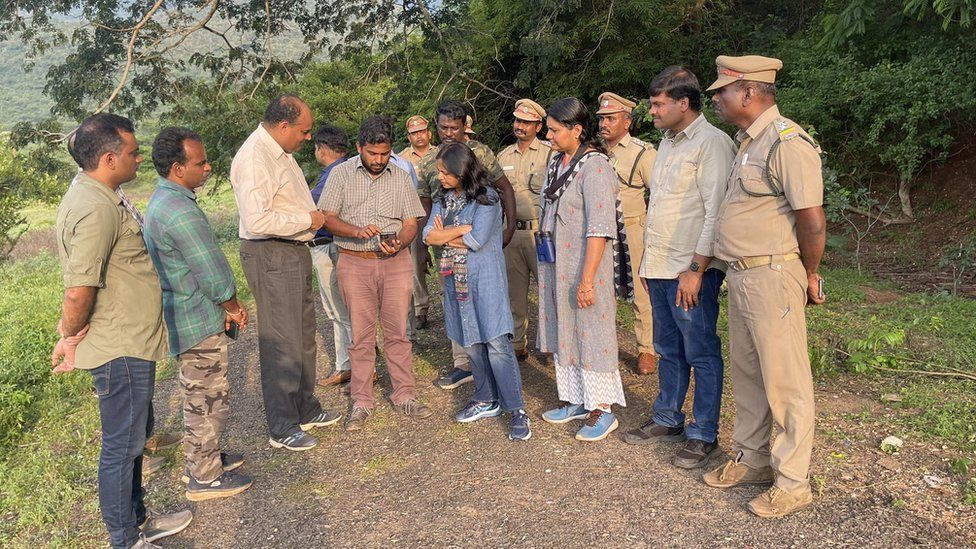
Arikomban now discovered himself in the middle of legal disputes. The elephant was requested to be returned to the state in a petition that was submitted to the Kerala High Court by a politician. In a petition to the Madras High Court, damages he had caused in Tamil Nadu were being sought as compensation.
The crisis, according to Kerala's forest minister AK Saseendran, validates his administration's decision to turn Arikomban into a captive elephant. He also assigns responsibility for the elephant's relocation to activists.
But according to Ms. Kartha, the Cumbum incident demonstrated that Arikomban was not a danger to human life. "He was traumatized, chased, but he didn't attack people there. ".
The tusker was tranquilized and captured on June 5 by Tamil Nadu's forest officials. The images of Arikoban's most recent capture sparked worries about the tusker's repeated tranquilizations and the harm the animal had endured while being transported by authorities in an open truck.
According to wildlife activist Stephen Daniel, the elephant was suffering as a result of government policy choices that placed settlements on its travel routes.
The two states' forest departments "have a lot to answer for" given the animal's unfathomable mental and physical anguish, he said.
Tribal groups in Chinnakanal, Kerala, have called for the return of the elephant to its natural environment. To return the tusker, they intend to file a court case.
One protester questioned why the elephant needed to be captured and moved to the tiger reserve if it was going to be treated so cruelly.
The forest department of Tamil Nadu reported that Arikomban had been moved far inside the Kalakkad Mundanthurai Tiger Reserve, over 200 kilometers (124 miles) away from Cumbum. .
According to reports, nearby residents objected to the tusker's relocation because they feared it might cause havoc in their communities.
Tamil Nadu forest official Supriya Sahu declared the translocation to have been "successful.". According to an update on Twitter, the elephant was eating well in his new habitat, which had "dense forest and plenty of water.".
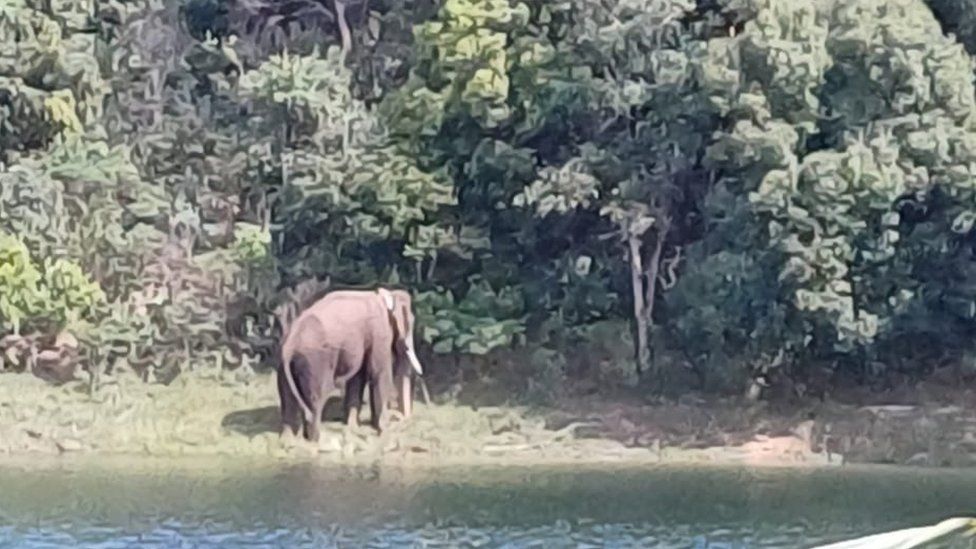
While camped in the reserve, state forest rangers kept an eye on Arikomban's wellbeing and tracked his whereabouts.
According to forest official Srinivas Reddy, who spoke to BBC Tamil last week, "He's in good health and his wounds have healed.".
However, recent occurrences demonstrate that the elephant will return to populated areas even after it is relocated far into the forest, Mr. Saseendran told reporters.
"Translocation is only a short-term fix," he declared. "We cannot guarantee that the tusker won't visit Kerala again. ".
In case Arikomban made it close to the state's borders, forest officials in Kerala continue to be on high alert.
Elephants have powerful homing instincts, according to Ms. Kartha. Arikomban has been attempting to return home ever since his initial translocation [in April]. " .
Bring him back to Kerala if he decides to visit a human settlement; that, she advises, is the only long-term solution.
Meenu Mathew contributed additional reporting.
the YouTube channel for BBC News India. Click . here. to subscribe and watch our explainers, features, and documentaries.