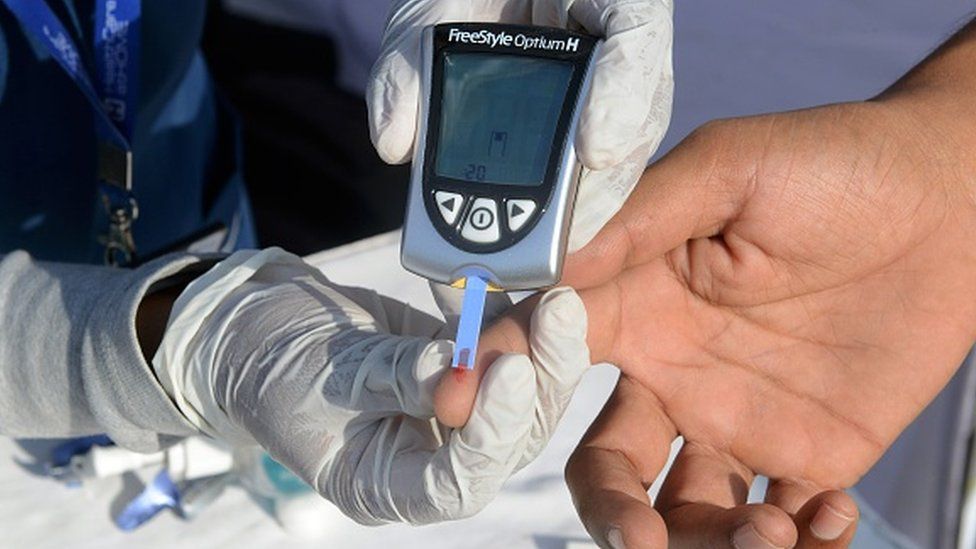
101 million Indians, or 11.4 percent of the population, have diabetes, according to a recent study that was published in the journal Lancet.
According to the health ministry-commissioned study, pre-diabetes affected 136 million people, or 15.3% of the population.
A condition known as diabetes occurs when the pancreas is unable to produce insulin.
It is characterized by persistently high blood glucose levels, which can be managed with insulin injections.
The most recent analysis of the national burden of non-communicable diseases, which was published in The Lancet Diabetes and Endocrinology, is regarded as the first to thoroughly cover every state.
The prevalence of diabetes in India's population was much higher than expected, according to researchers. In addition to the nearly 25 million pre-diabetics who were at a higher risk of developing diabetes in the near future, the WHO estimated that there were 77 million people worldwide who had diabetes.
Dr. RM Anjana, the study's lead author and managing director of Dr. Mohan's Diabetes Specialities Centre, told The Indian Express newspaper, "It is a ticking time bomb.".
In our population, "conversion from pre-diabetes to diabetes is very, very fast; more than 60% of people with pre-diabetes end up converting to diabetes in the next five years," she said.
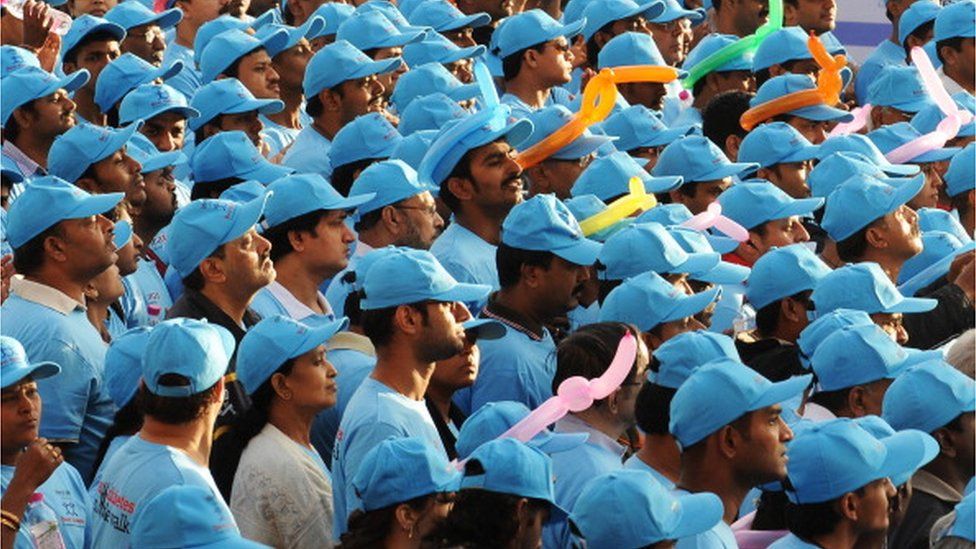
113,000 participants over the age of 20 from every state in India participated in the ten-year study, which was carried out by the Madras Diabetes Research Foundation and the Indian Council of Medical Research (ICMR).
The most recent National Family Health Survey, the government's most thorough household survey of health and social indicators, used demographic data to extrapolate data collected in 2008 for 2021.
Goa (26.4%), Puducherry (26.3%), and Kerala (25.5%) had the highest rates of diabetes prevalence, respectively.
In lower prevalence states like Uttar Pradesh, Madhya Pradesh, Bihar, and Arunachal Pradesh, the study foresaw a sharp increase in diabetes cases.
The study also discovered that diabetes was more common in urban than in rural areas.
Around one in eleven adults worldwide have diabetes, which raises the risk of heart attack, stroke, blindness, kidney failure, and limb amputation.
Type 1 and Type 2 are typically distinguished.
Approximately 10% of people with the condition in the UK have type 1 diabetes, an immune system disease. Because it mistakenly attacks the body's insulin factories (beta cells), there is insufficient of the hormone needed to regulate blood sugar levels.
Given that body fat can affect how well insulin functions, type 2 diabetes is frequently viewed as a disease of an unhealthy lifestyle.
the YouTube channel for BBC News India. Click . here. to subscribe and watch our explainers, features, and documentaries.