One of the strictest laws passed since the right to the procedure was declared unconstitutional forbids all abortions, save in cases of extreme medical necessity, according to a Texas law. Critics claim that this forces many women, as well as their medical professionals, to choose between breaking the law and choosing what is best for their health.
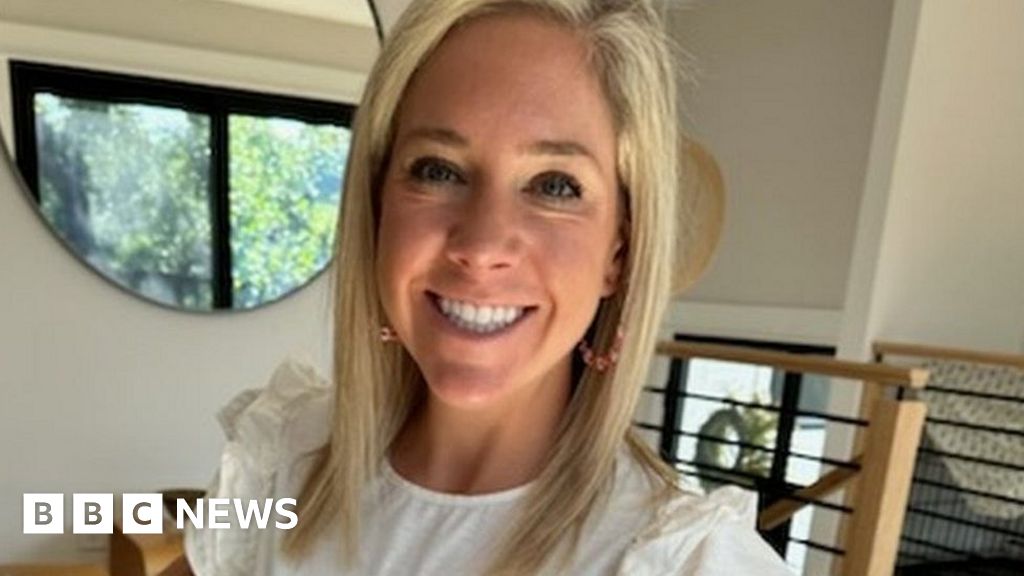
Josh and Amanda Zurawski recently purchased the house of their dreams. It was situated in one of Austin's most prestigious neighborhoods and offered beautiful views of a golf course and lake. It was ideal for their expanding family, especially with their first child on the way.
However, their moving day in August of last year was not at all what they had anticipated. Amanda had just left the hospital after being denied an abortion, which endangered her life.
According to Amanda, it appeared to be a dystopian society. "You shouldn't fear for your life because of the laws in the United States if you're pregnant. ".
13 states have passed nearly complete bans on abortion in the year since the Supreme Court reversed Roe v Wade, granting states the right to do so. The most populous and strictest state, Texas, forbids all abortions from the moment of conception, with the exception of situations involving "a serious risk of substantial impairment of a major bodily function" or "a life-threatening physical condition.". A $100,000 (£78,000) fine and/or a life sentence may be imposed for breaking the law.
Amanda and her husband rejoiced when they found out they were expecting a daughter. However, she received a diagnosis of a condition the same day she made the list of attendees for her baby shower, which not only caused the loss of her child but also put her in danger of being targeted by Texas's abortion ban.
Her unborn daughter would not survive, according to the medical professionals who diagnosed her with cervical insufficiency, which is a weakening of the cervical tissue that results in premature dilation. They were devastated, she and her husband.
She said, "She was a baby that we wanted so, so badly.
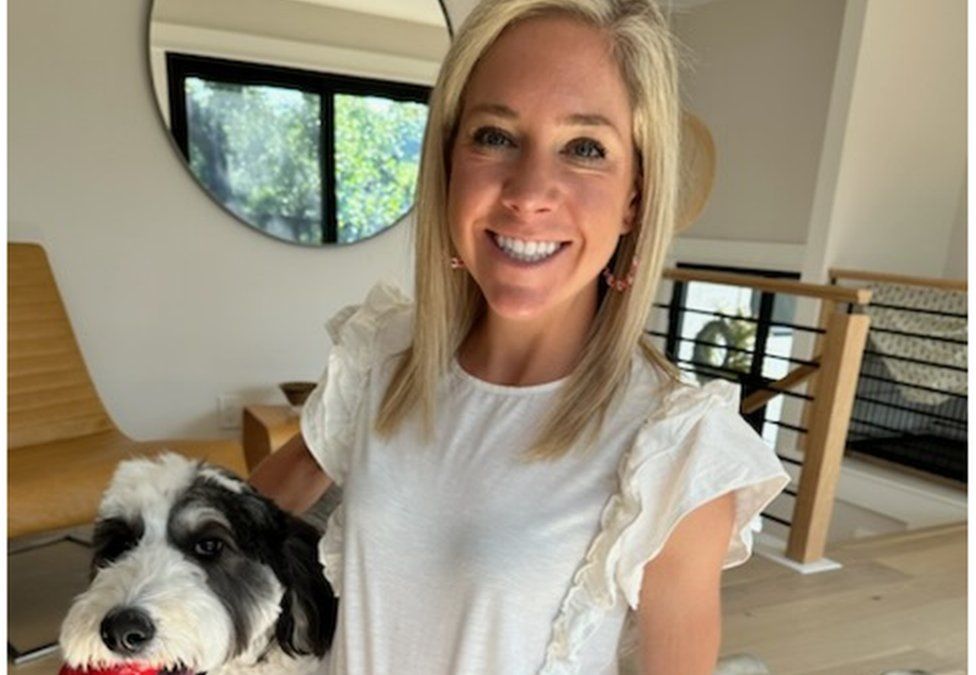
At that point in the pregnancy's development, termination and extraction of the foetus are the usual medical treatments. If the mother waits to miscarry naturally, she may contract an infection that could be fatal.
However, her doctors informed her that they were unable to end her pregnancy because, according to state law, it was illegal to do so unless the mother's life was in danger. Basically, the message was that she wasn't yet critically ill enough to legally support an abortion.
Three days later, Amanda experienced a potentially fatal infection and entered septic shock.
I was unable to form complete sentences because my teeth were chattering uncontrollably, the woman claimed. "Consider getting the worst case of the flu you've ever had in your entire life; it was terrible. ".
She miscarried her child, who she named Willow, when they induced labor for her at the hospital. Following that, she was immediately transferred to the intensive care unit, where she spent the following few days. Her uterus and fallopian tubes were scarred as a result of the sepsis, and one tube became permanently blocked.
It might make it more difficult for her in the future to get pregnant.
Amanda is currently one of 13 women and two medical professionals who have chosen to sue the state of Texas in the hopes of changing the law to allow physicians more discretion in determining when an abortion is necessary.
To have the case dismissed, the state has asked the judge. In order to prevent serious complications brought on by ectopic pregnancies or pre-viable premature rupture of membranes, which resulted in Amanda's sepsis, physicians are permitted to use their "reasonable medical judgment," according to legislation that Governor Greg Abbott signed on Wednesday.
The new legislation will help make the Texas laws more explicit, according to anti-abortion activists and politicians who support the ban. Texas law has always been written clearly, they claim.
According to Rebecca Parma, who directs Texas Right to Life's anti-abortion research and advocacy, "if a doctor can foresee that a woman has sepsis that could end up being life-threatening, they can act immediately.".
In order to ensure that women's maternal health is not overlooked, she added that her group plans to advocate for expanded social services for women and the extension of Medicaid, or free health insurance, up to a year after childbirth, now that abortion has been outlawed.
However, the Center for Reproductive Rights, which is funding the lawsuit on behalf of the women and doctors, claimed that there was no list lengthy enough to cover all circumstances in which an abortion might be required for medical reasons.
Their stance is consistent with that of the American College of Obstetricians and Gynecologists, which asserts that every patient has specific medical considerations.
The organization's fellow Dr. Leah Tatum, who sees patients at the Austin Regional Clinic, claims that Texas's laws are so vaguely written that they stress out and worry medical professionals all over the state who worry about being accused of a crime for treating their patients.
I'm approaching this objectively from a medical standpoint, she said. The risk of a pregnancy to the patient carrying it is higher than the risk of an early termination. " .
"At what point in the legal process do they consider the patient's life to be in danger?".
She claimed that because medicine is not always clear-cut, legal interpretations of cases that involve gray areas are more challenging. She is a part of a large practice with lawyers available to offer guidance, but she is concerned for providers who don't have access to the same support system, especially in rural areas.
Dr. Judy Levison, a Houston doctor with four decades of experience in the field, said, "This is so different from how we were trained and what the national standard is for maternal care.". However, she has made the decision to discontinue patient care, in part due to these restrictions, and is now one of two doctors who are plaintiffs in the lawsuit against the state.
She primarily saw patients from low-income families, and she believed she was being asked to practice medicine unethically.
The woman said, "I suddenly felt like my hands had been tied behind my back. Where were they going to get an abortion? How were they going to afford traveling, getting childcare, risking two days off work and possibly risking their employment?
Even though the law and recent legislation clarifying the law make exceptions for situations in which the mother's life is in danger, Texas does not permit abortions in cases of lethal foetal abnormalities, which are conditions that make the foetus unlikely to survive after birth.
Taylor Edwards, another plaintiff in the case, claimed that since there was no exception, she was compelled to travel outside of Texas for an abortion in order to get rid of her unviable fetus.
"Those two weeks of emotional suffering cannot be overstated. She said, "I don't know how to explain to people how absolutely terrible it is to know you're carrying around a baby that isn't going to live and you have to be very obviously pregnant.
She is not the only person who has decided to travel outside the country to get an abortion. According to Dr. Kari White of the Texas Policy Evaluation Project at the University of Austin, many had to travel hundreds of miles to Kansas or New Mexico, sometimes calling a dozen or more facilities to schedule their procedure.
She told the BBC, "This was a really emotionally trying experience for people, not because they were getting abortions, but because they weren't sure if they could get one or not.".
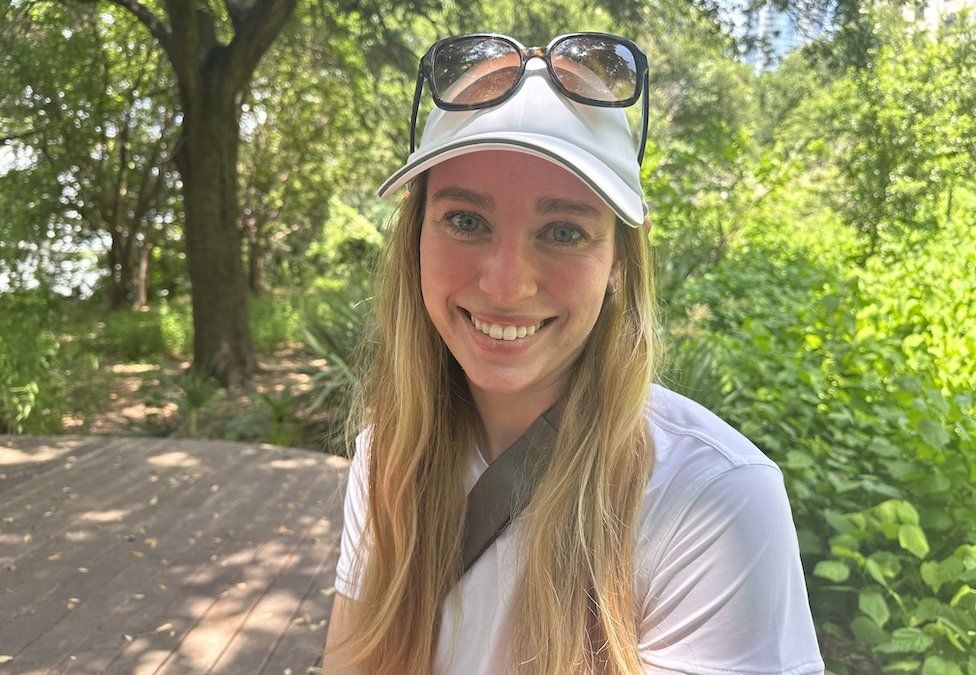
Similar to Amanda, Taylor spent tens of thousands of dollars on fertility treatments in an effort to conceive, but she learned that her daughter Phoebe would not live when she was in her second trimester.
The baby's encephalocele, a condition in which the brain matter herniates out of the skull, was discovered by the doctor during her 17-week anatomy scan this past February. As she recalled, "I just started screaming, I don't know what took over me" when the doctor informed Taylor that the baby would not live. ".
She didn't want to have to carry her daughter all the way through pregnancy only to deliver a stillborn child. She was also psychologically harmed by the expense and stress of having to leave the state.
The clinic claimed they were out of the required medication for the procedure three hours before she was scheduled to board a flight for New Mexico. After 19 weeks, they would no longer perform the procedure, so she finally managed to get an appointment in Colorado.
She claimed that she spent $6,000 on flights, lodging, and an abortion that was not covered by insurance.
She argued that you shouldn't have to deal with it while going through the worst experience of your life.
And it's even worse to suddenly find yourself in a circumstance where you're treated like a criminal. ".
After losing Willow and relocating to Austin, Amanda and her husband learned that a tree outside of their new house was a desert willow. They greet it each morning, believing their daughter is nearby. In an effort to conceive once more, they have begun another round of fertility treatment alongside the Edwardses.
Both women say they are hopeful but prepared to fight as the one-year anniversary of the overturning of Roe v. Wade approaches.
"When I reflect on the past year and everything that has occurred in both my personal life and our political environment, I see a lot of people mobilizing," said Mrs. Zurawski. "I've previously stated that I don't believe there is anything more powerful than a pissed-off mother, and you have a lot of pissed-off mothers right now.
. "