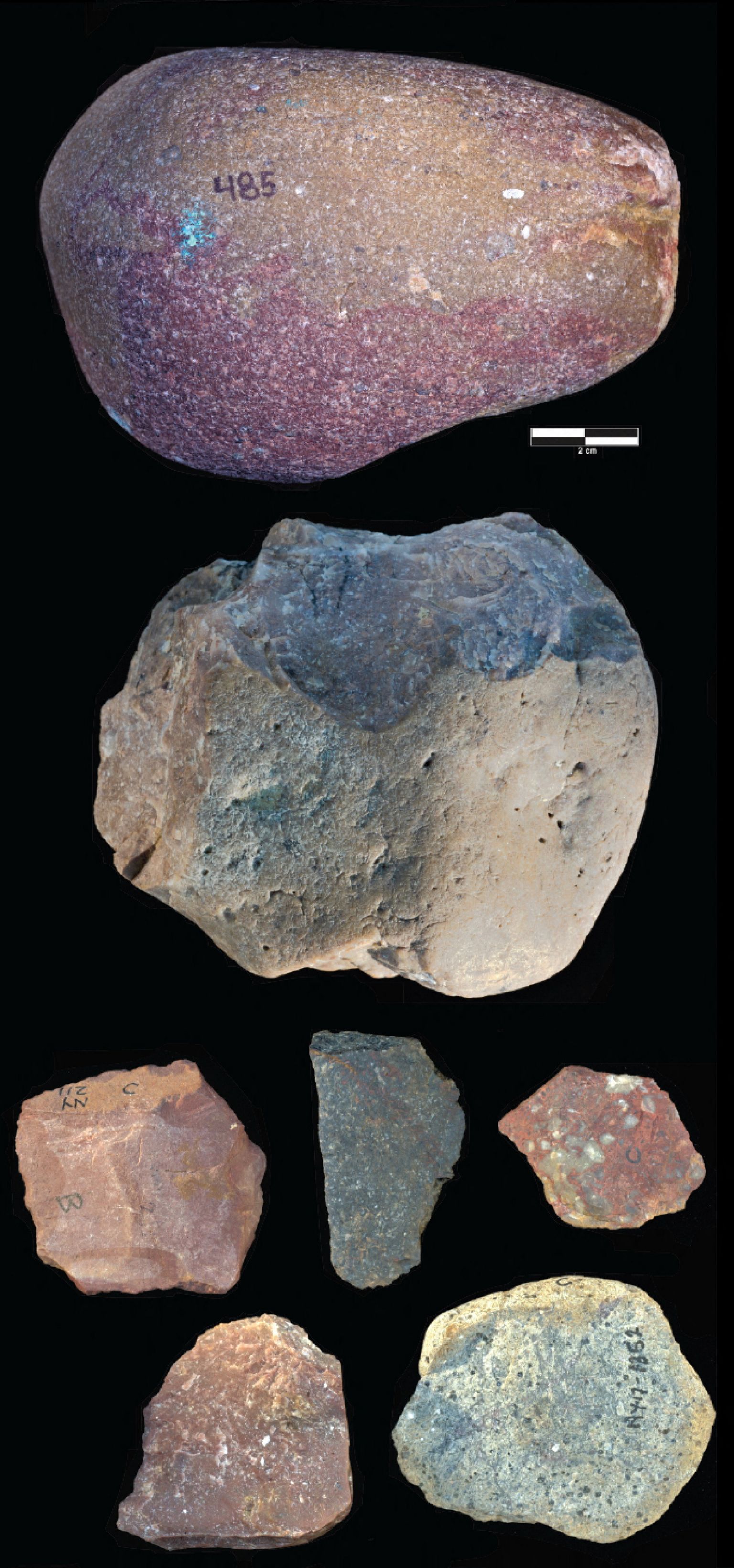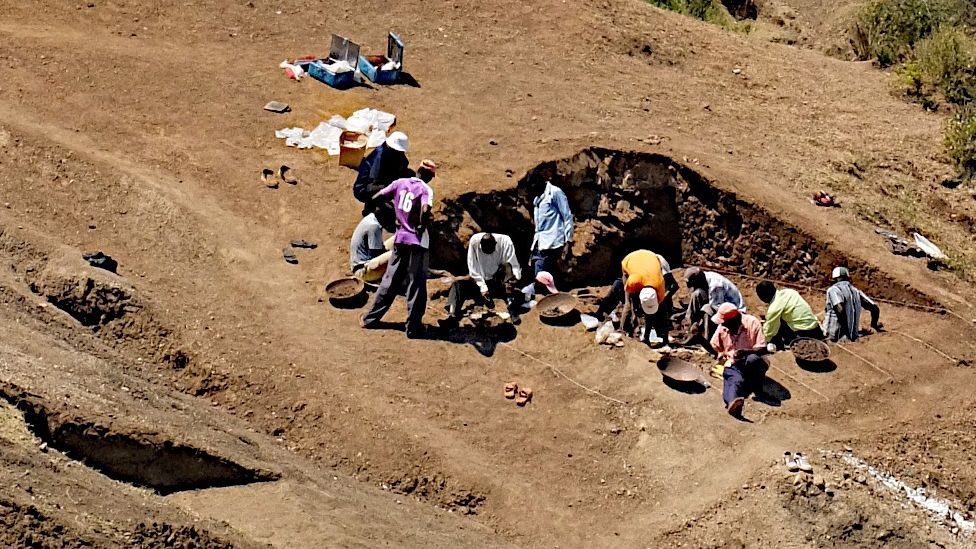
Approximately 2.9 million years ago, archaeologists in Kenya discovered some of the earliest stone tools ever used by prehistoric humans.
It demonstrates that other early human subspecies, besides Homo Sapiens, also used the tools.
The researchers claimed that the tools were used to kill hippos and crush plant materials like tubers and fruit.
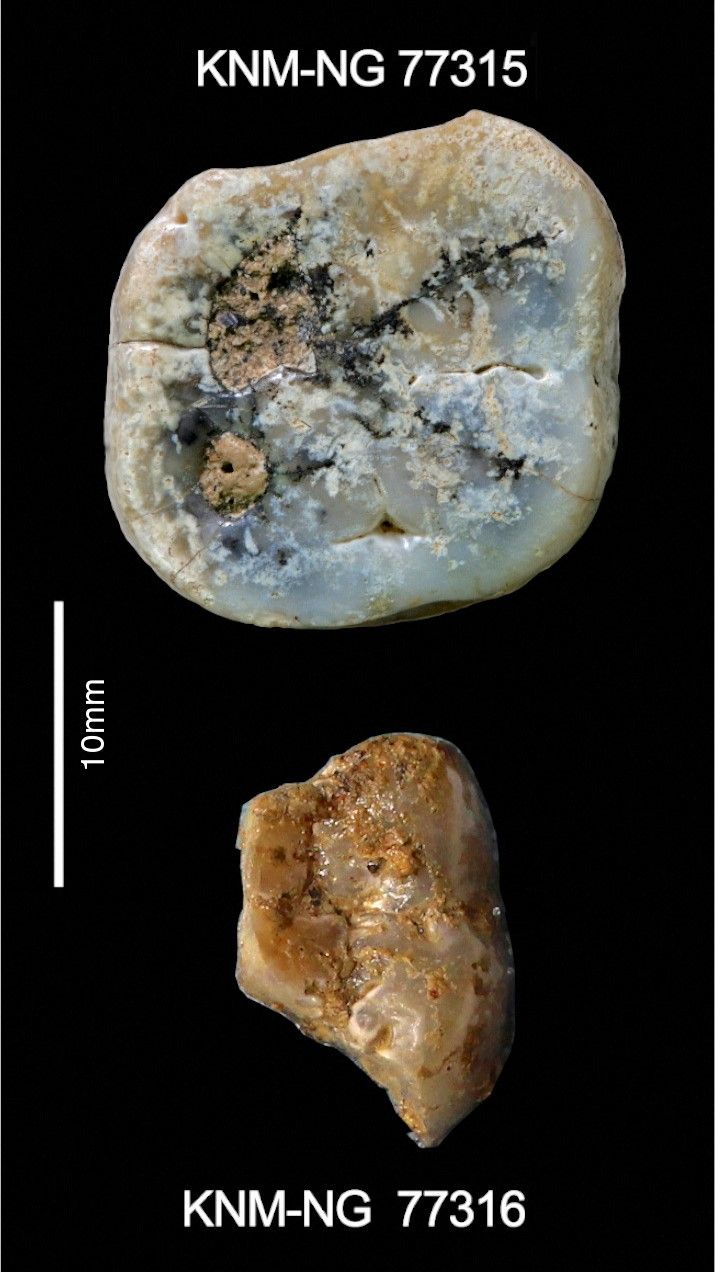
At the location, two enormous fossil teeth from Paranthropus, a distant relative of humans, were discovered.
Oldowan tools, a type of basic stone tool, were thought to have only been used by the earliest members of the Homo Sapiens species, which includes our species and our closest relatives.
The excavation site in Nyayanga, on the Homa Peninsula in western Kenya, did not yield any fossilized Homo sapiens, though.
Instead, there were 330 stone tools and two teeth, stout molars from the Paranthropus genus that combined ape-like and human-like traits.
According to Prof. Rick Potts of the Smithsonian National Museum of Natural History, a senior author of the study, "With these tools you can crush better than an elephant's molar can and cut better than a lion's canine can.".
"Oldowan technology gave our ancestors access to a wider variety of foods on the African savannah, like suddenly evolving a brand-new set of teeth outside of their bodies.
"The relationship between these Nyayanga tools and Paranthropus could reopen the debate over who made the earliest Oldowan tools. According to anthropologist Thomas Plummer of Queens College in New York City, who is the lead author of the study that was published in the journal Science, "It's possible that other types of hominins, besides Homo, were processing food with Oldowan technology.
The most recent discovery of Oldowan tools demonstrates that they were a significant step up in sophistication from earlier primitive stone tools, which date to as early as 3.3 million years ago, before the emergence of the Homo genus, according to researchers.
There were also other hominins living at the time, such as the genus Australopithecus, which is famous for the even older fossil "Lucy," which was discovered in 1974 in northern Ethiopia.