When Shaheen Sheikh Ali noticed frantic activity in a WhatsApp group for family members, he knew something terrible had happened.
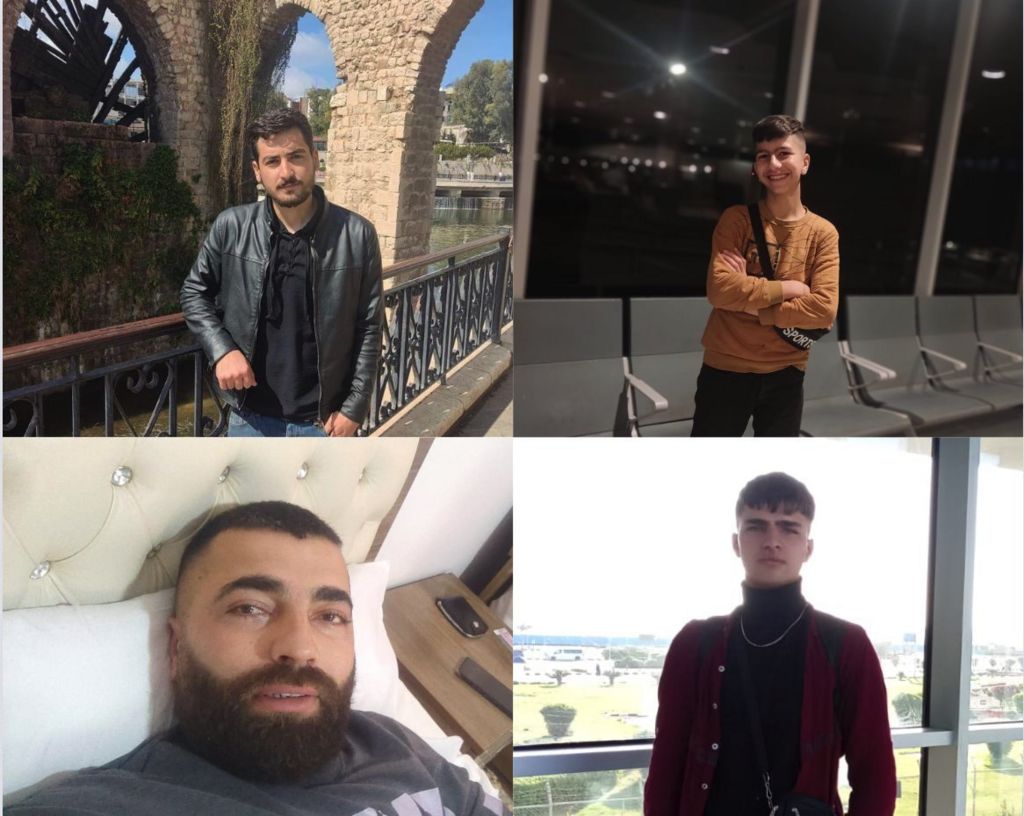
The fishing boat that capsized 80 kilometers off the coast of Greece was believed to have been manned by four male relatives, all under the age of thirty.
The BBC quoted him as saying, "People are waiting for any piece of good news.". However, everybody is expecting the worst.
The 31-year-old is currently residing in Germany but is originally from Kobane, a city with a predominance of Kurds. He is aware of 12 people who were allegedly on the boat.
With nearly 80 fatalities and at least 100 rescues, it is one of the worst migrant tragedies in recent memory. However, it's speculated that 750 people, including 100 children, may have crammed onto the boat.
According to Mr. Ali, the group's last communication with family members back in Syria was nearly a week ago. "We hadn't heard from them for days and didn't even know if they were on the boat," he said.
Since June 14th, he and his family have heard conflicting reports about the group's whereabouts.
You can't always tell whether someone is dead or alive in incidents like this. One word can ruin the spirits of the entire family, he declared.
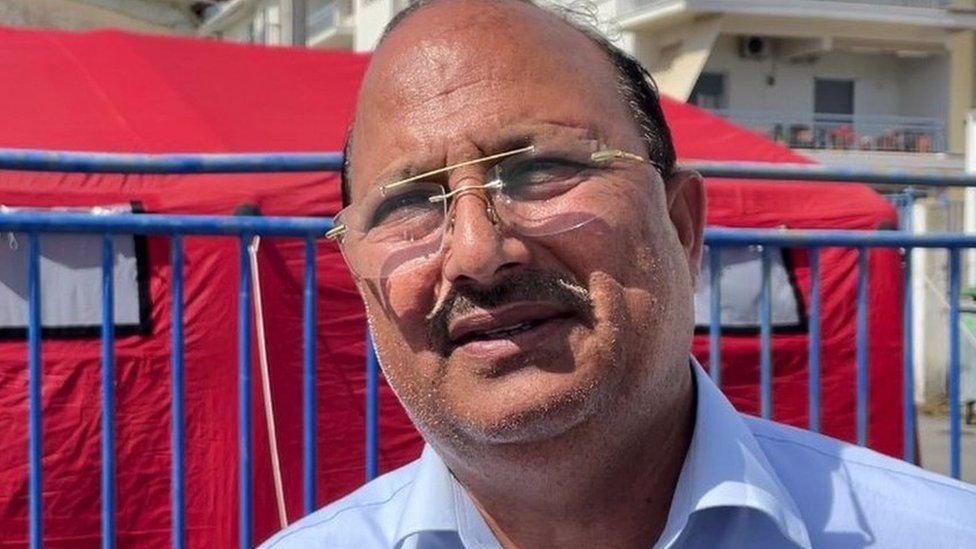
The fact that his nephew Adnan Bashir, 22, is one of the few survivors is good news for British-Pakistani journalist Raja Faryad Khan.
The fact that up to 16 residents of his village in Pakistan-administered Kashmir may have been on the boat, however, has tinged his relief with sadness.
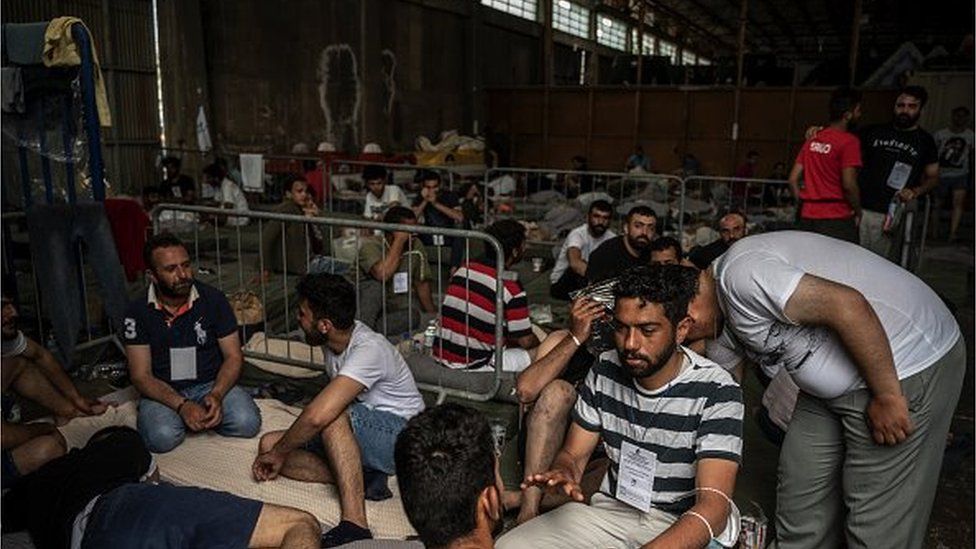
Mr. Khan traveled from the UK to Kalamata, a port city in Greece, to meet his nephew, but the security guard only gave him a brief opportunity.
The boat was shaking and turning one-sided before simply disappearing into the water, according to (my nephew), Mr. Khan said.
As he recounts the journey his relatives took, Mr. Ali is experiencing agony of uncertainty back in Germany.
They were brought illegally from Syria to Lebanon and then transported by air to Libya, where they remained for 40 days while they waited for a chance to cross the Mediterranean Sea and arrive in Italy.
The group, according to Mr. Ali, paid the smugglers at least $5,000 each, but this didn't protect them from the group's hosts' harsh treatment.
He claimed that the smugglers had picked them up at the airport and dumped them anywhere.
He claims that his family members were kept in a "block of concrete" without any furniture and forced to sleep on blankets spread out on the concrete floor.
Early in June, when some of his relatives made suggestions that a crossing might be forthcoming, he last spoke to anyone from the group.
As Mr. Ali recalled, "They told me they would leave soon because the weather was hot and the sea was calm enough.".
His relatives revealed images that set off alarms. "I noticed sad expressions in their eyes, but it could also have been exhaustion. ".
His pain is even greater because he put his life in danger in 2016 to flee Syria's civil war.
However, he claimed that at the time, getting to Europe was much simpler due to the availability of more migration routes.
Mr. Ali crossed into Turkey before beginning his much shorter boat trip to Greece.
It was a 4 km journey, he claimed, and he took a dingy to get to Greece. "We could see some of the Greek islands' lights when we were leaving. ".
Italy is at least 725 kilometers away from Libya. Mr. Ali also noted that his dinghy's passengers all wore life jackets, which is another distinction.
None of the individuals aboard the fishing boat that capsized, according to the Greek coastguard, were wearing them.
However, Mr. Ali is able to put himself in his relatives' shoes and imagine what they "must have been thinking" before boarding the fishing boat.
"You never know what will occur. You fret that someone might pass away or lose their balance, he said. "No matter how hard I try, I can't adequately express how I feel in light of this tragedy. ".
The 31-year-old is disgusted by the role that smugglers play and claims that they "treat people like meat.".
Those smugglers, in my opinion, probably don't even keep track of how many passengers they are loading onto a boat. The repercussions are irrelevant to them. ".
An appeal for greater compassion and unification follows.
"We need safer routes for people. Nobody, not the European Union or anyone else, will ever be able to stop migration, he asserted.
"My relatives had only the vaguest of fantasies about moving to Europe to work and support their families.
. "