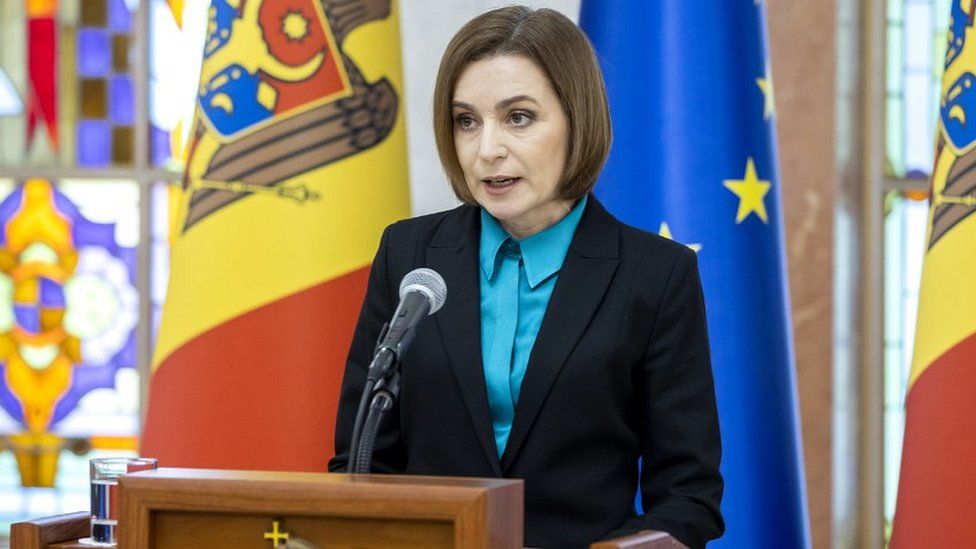
The president of Moldova has charged that Russia is attempting to topple her pro-EU government by enlisting the help of foreign "saboteurs.".
Friday saw the nomination of Dorin Recean as the new prime minister by Maia Sandu, who, like his predecessor, is pro-EU.
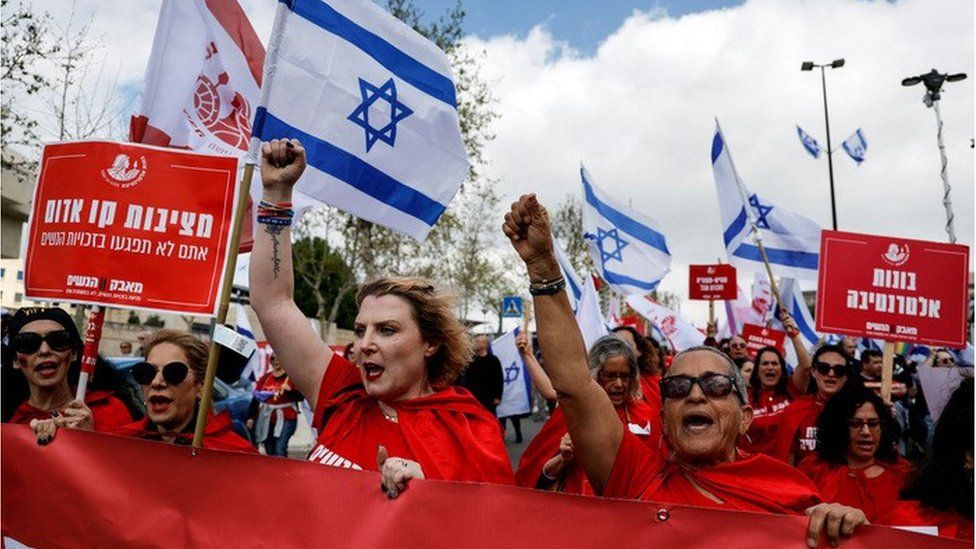
In order to "overthrow the constitutional order," the "plot," according to President Sandu, will involve "protests by the so-called opposition.".
One of the poorest nations in Europe, Moldova, has been greatly impacted by Russia's war in the neighboring Ukraine.
The Russian government's plan to destroy Moldova, according to Ukrainian President Volodymyr Zelensky last week, has been discovered.
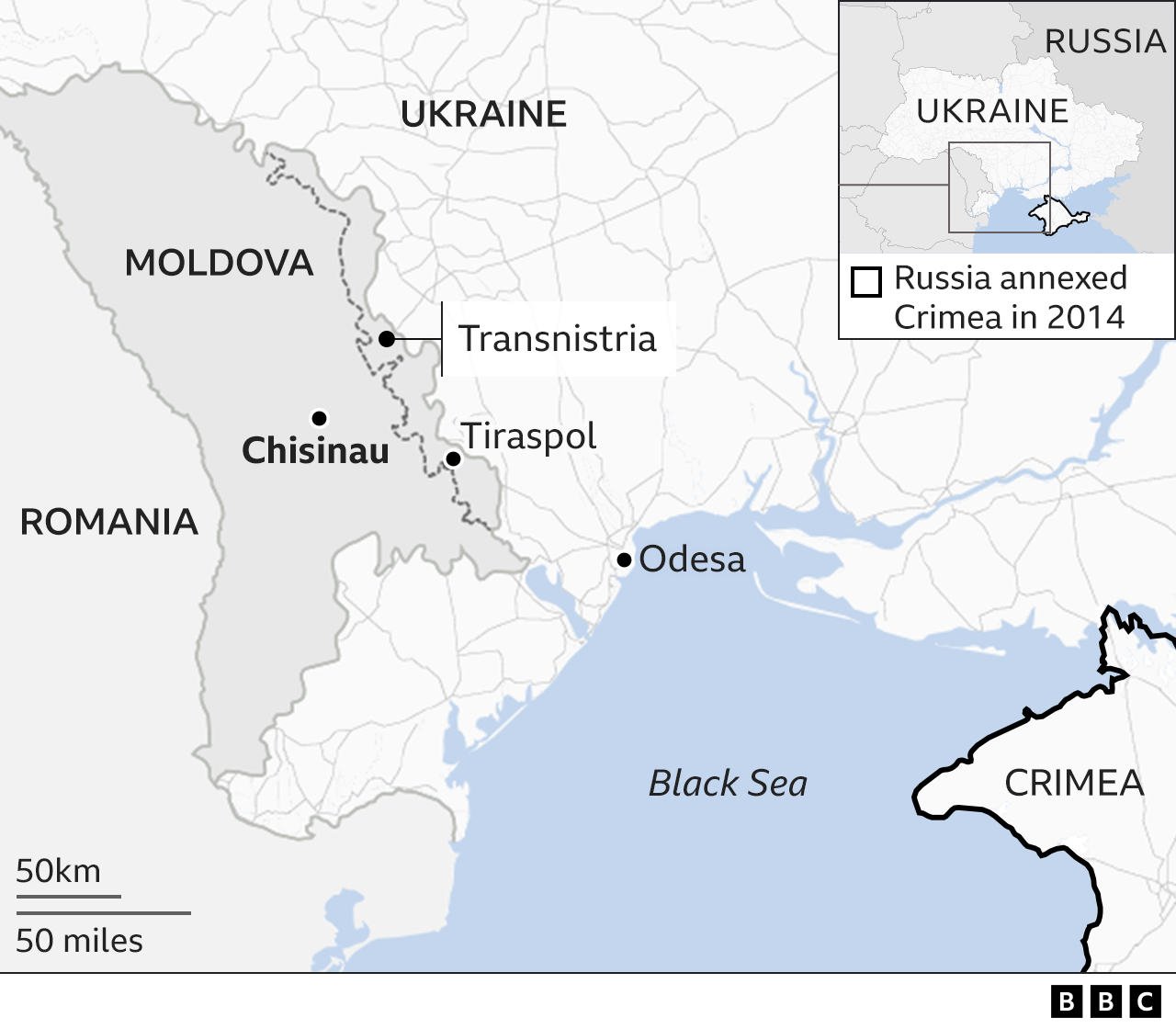
Last summer, Moldova, which is sandwiched between Romania and Ukraine, applied to join the EU. With a population of 2.6 million, the nation has struggled with the influx of refugees from Ukraine and tensions with Transnistria, a secessionist pro-Moscow region that is home to 1,500 Russian soldiers.
Russia is Moldova's main source of natural gas; it was formerly a part of the Soviet Union. In the past year, power outages have occurred in tandem with Russian attacks on Ukraine's energy infrastructure.
Russian "saboteurs with military background, camouflaged in civilian clothes, to undertake violent actions, attacks on state institutions and taking hostages," according to President Sandu, were planned.
She revealed at a press conference that the plot would involve people from Russia, Montenegro, Belarus, and Serbia entering Moldova.
She called on the parliament of Moldova to pass legislation that would provide the Intelligence and Security Service (SIS) and prosecutors with "the necessary means to fight more effectively against national security threats.". The Kremlin's efforts to incite violence in our nation, she continued, "will fail.".
Moscow is closely connected to Moldova's main opposition Socialist and Communist bloc. Igor Dodon, the president before President Sandu and who ruled from 2016 to 2020, pursued close ties with Russia.
Moldova has, however, strengthened its relationship with Romania, a member of the EU, since the fall of the USSR in 1991.
When Natalia Gavrilita, a former prime minister, announced her resignation on Friday, she said that no one had anticipated that her government, which had been elected in 2021, would have to deal with "so many crises brought on by Russian aggression in Ukraine."