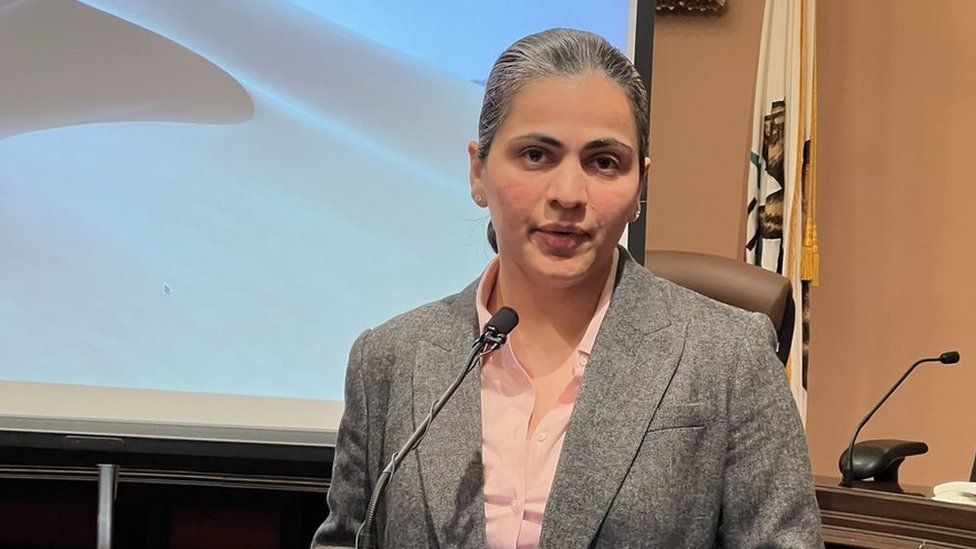
This week, the state assembly is expected to discuss a bill that would outlaw caste discrimination in California. Independent journalist Savita Patel, who lives in California, addresses those in favor and against the bill becoming law.
Long and exhausting shifts are typical for Sukhjinder Kaur*, a nurse at a hospital in California. But when it's break time, everything gets stifling.
She claims that her South Asian coworkers frequently insult her because she is a Dalit, a group that is at the bottom of India's harshly discriminatory caste system.
Activists for Dalit rights claim that numerous caste-persecuted Californians experience housing, educational, professional, and social discrimination.
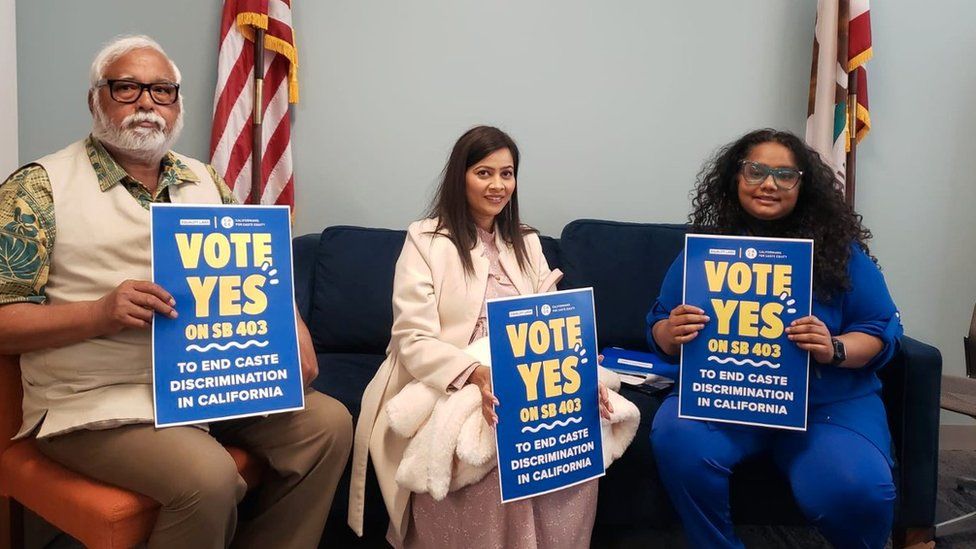
Legislation to include caste as a protected class in the state's anti-discrimination laws, along with gender, race, religion, and disability, was written and introduced by Democratic Senator Aisha Wahab in March.
The state senate approved the bill in May with a vote of 34 to 1. California would be the first state in the US to outlaw caste discrimination if it were to pass in the state assembly.
Ms. Kaur, one of those who supports the law, claims that nurses from upper castes make disparaging remarks about Dalits, known as "chamars," as being filthy and polluting.
Caste discrimination was outlawed in Seattle for the first time in the US and outside of South Asia in February, giving California's legislation a boost. The same large multifaith, intercaste, multiracial coalition of more than 40 American and international Dalit and human rights activists and organizations, headed by California-based Equality Labs, is driving this movement.
California is home to some of the biggest tech companies in the world and has a sizable South Asian diaspora.
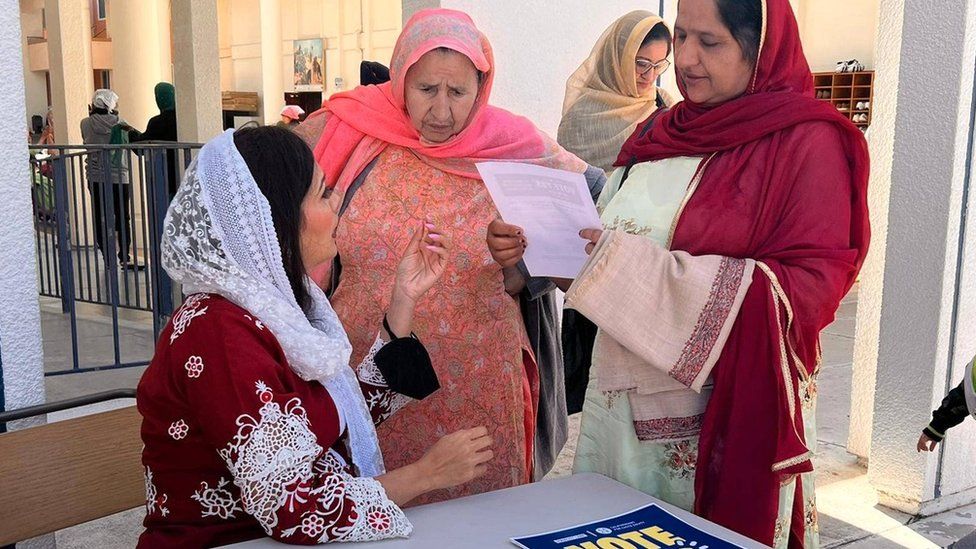
More than half of the 500,000+ Sikhs living in the US call California home, and Sikh temples, or gurudwaras, have been leading the charge to ban caste discrimination.
The Sikh Coalition and Sikh American Legal Defense and Education Fund, two of the major community advocacy organizations, support the measure. The Ravidasia community, which comprises the state's largest Dalit population of between 15,000 and 20,000 Sikhs, is leading grassroots support for the legislation.
Renu Singh, a Ravidasia practitioner and women's rights activist, has been urging women to speak out about their own caste discrimination experiences and those they witness in their communities in order to make lawmakers aware of the seriousness of the problem.
According to data from an Equality Lab study, one in four caste-oppressed members of the South Asian American diaspora have been subjected to physical or verbal abuse, one in three have experienced educational discrimination, and two out of three have encountered workplace discrimination.
With more than 1,500 participants, it was the first comprehensive study of caste distribution and its effects in the US. The findings, which were released in 2018, claim that people from "lower castes" "hide their caste" out of fear of reprisal and worry about being "outed.".
Caste discrimination claims are, however, denied by a sizable portion of the Indian diaspora.
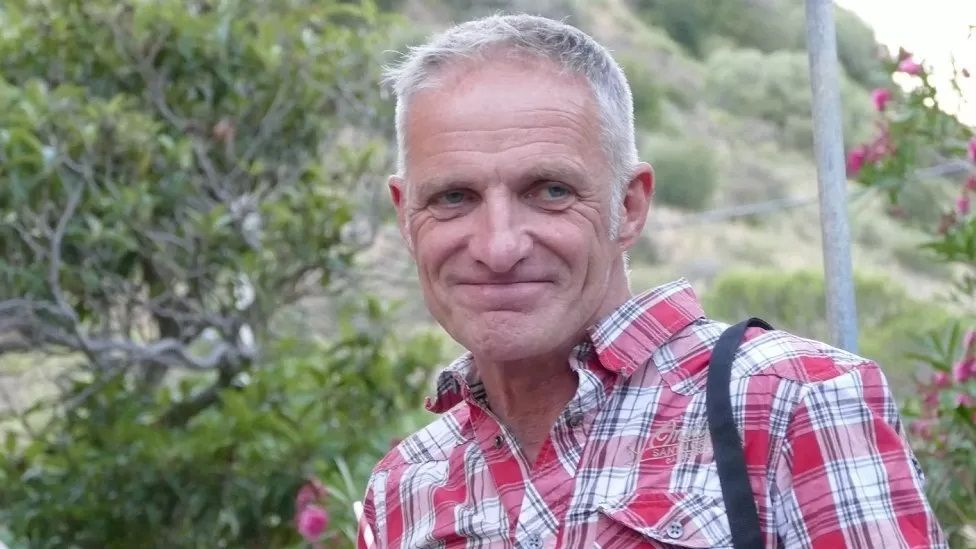
The bill is opposed by Dalit activist Deepak Aldrin, who lives in San Francisco. I've spent 35 years living in this area. He claims that no Hindu has ever questioned him about his caste.
Numerous Indian-American citizens, as well as religious and professional organizations, are strongly opposed to the bill, claiming that even though it does not mention their religion by name, it will nonetheless "discriminate against Hindus, their places of worship, and even make them less hiring worthy.".
They claim that the laws already in place in California are sufficient to address any instances of discrimination, and they are mobilizing the community to call on their legislators to block the legislation's passage.
HinduPACT, an American Hindu grassroots advocacy initiative, has urged California lawmakers to reject the bill on behalf of numerous businesses and Hindu temples. The legislation, according to the group's convenor Ajay Shah, is "deeply flawed, ill-intentioned, and targets children and youth from the Indian subcontinent and those who follow the Hindu dharma [Hinduism].". ".
The Hindu American Foundation's executive director and co-founder Suhag Shukla claims that this bill has already started to raise an "unwanted" awareness of caste. According to her, she has "heard inappropriate questions from employees, especially in technology, who are being questioned about their caste by non-South Asians.". If this behavior persists, she claims it may constitute racial harassment.
The foundation has filed a federal lawsuit against the state alleging that it has an "unconstitutional definition of caste" and has contested the inclusion of caste in its non-discrimination policy on the grounds that it "singles out one community for ethnic profiling and increased policing.".
The opponents of the bill claim that because caste is such a complicated topic, they are also confused about how the state intends to determine a person's caste.
As with other protected categories, caste identification information is not included in the bill, according to Ms. Wahab.
"The method for determining caste is not stated in any language. Simply put, this bill prohibits discrimination. The type of discrimination that may have occurred is typically investigated when someone brings a case before the courts. At that point, subject matter experts are frequently called upon. ".
After introducing the bill, Ms. Wahab claims she has received "death threats.". She is now up against a recall drive and a potential run for reelection. She continues, calling the "visceral reaction" to the bill "disheartening," and she has urged Californians to read the legislation.
She claims that it makes no difference whether you are upper or lower caste because it will still protect you.
*To protect privacy, some names have been changed.
the YouTube channel for BBC News India. Click . here. to subscribe and watch our explainers, features, and documentaries.