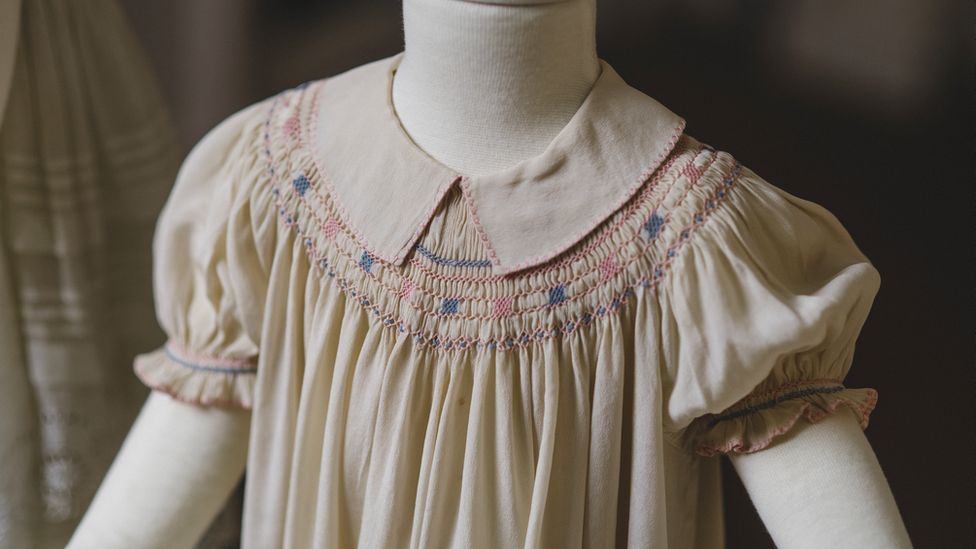
The National Trust is showcasing how clothing has been repurposed, altered, and recycled throughout history.
Near Exeter, at Killerton House, the trust's largest fashion collection is on view in more than 50 pieces.
The methods used to fix, redesign, recycle, and re-wear clothing from the 18th Century to the present are highlighted in Thirsty for Fashion.
Highlights include a child's dress made of priceless silk brocade that had been recycled from a silk gown for an adult around 1750.

A lavish silk wedding gown from around 1840 that was altered to be worn again in the 1940s is also on display, as well as a 1944 nightgown made of embroidered parachute silk during a time when clothing and materials were rationed.
The exhibition also includes contemporary makers and designers, with 12 pieces by six different creators showcasing just a few of the ways that designers today are repurposing leftover clothing to create brand-new garments with no waste going to landfill.

Reusing and recycling clothing is not a novel concept; it has been done on a regular basis throughout history, according to Shelley Tobin, costume curator at Killerton.
This exhibit poses the query, "Can we draw lessons from these outdated customs and resurrect long-forgotten abilities to care for our clothes and make them more sustainable?".
Vintage movies from the 1940s and 1950s that offer advice on how to "make do and mend" will also be on display.
From 11 February to 5 November 2023, Thirsty for Fashion will be on display.