To stop polio vaccines from mutating into a harmful form that can spread epidemics and paralyze people, scientists have "super-engineered" them.
The genetic redesign locks the weakened live polio viruses into the oral vaccines, which contain them.
Updated vaccines against all three types of polio have now been developed by teams in the US and UK.
To stop the disease, better vaccines must nevertheless be distributed to every child.
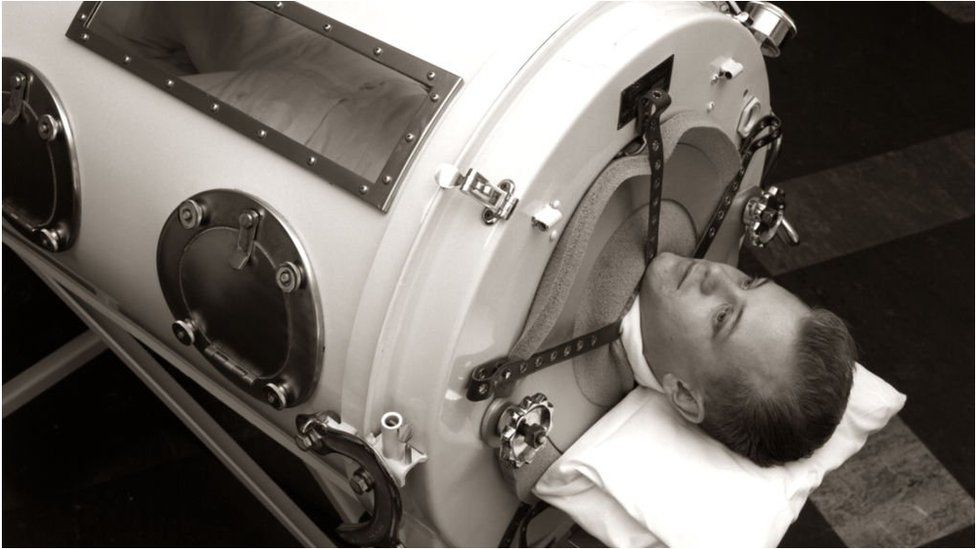
Paralysis can result from the spread of polio to the nervous system. Since the late 1980s, there has been a 99.9% decrease in cases, and thanks to vaccinations, about 20 million people who would have been paralyzed can now walk.
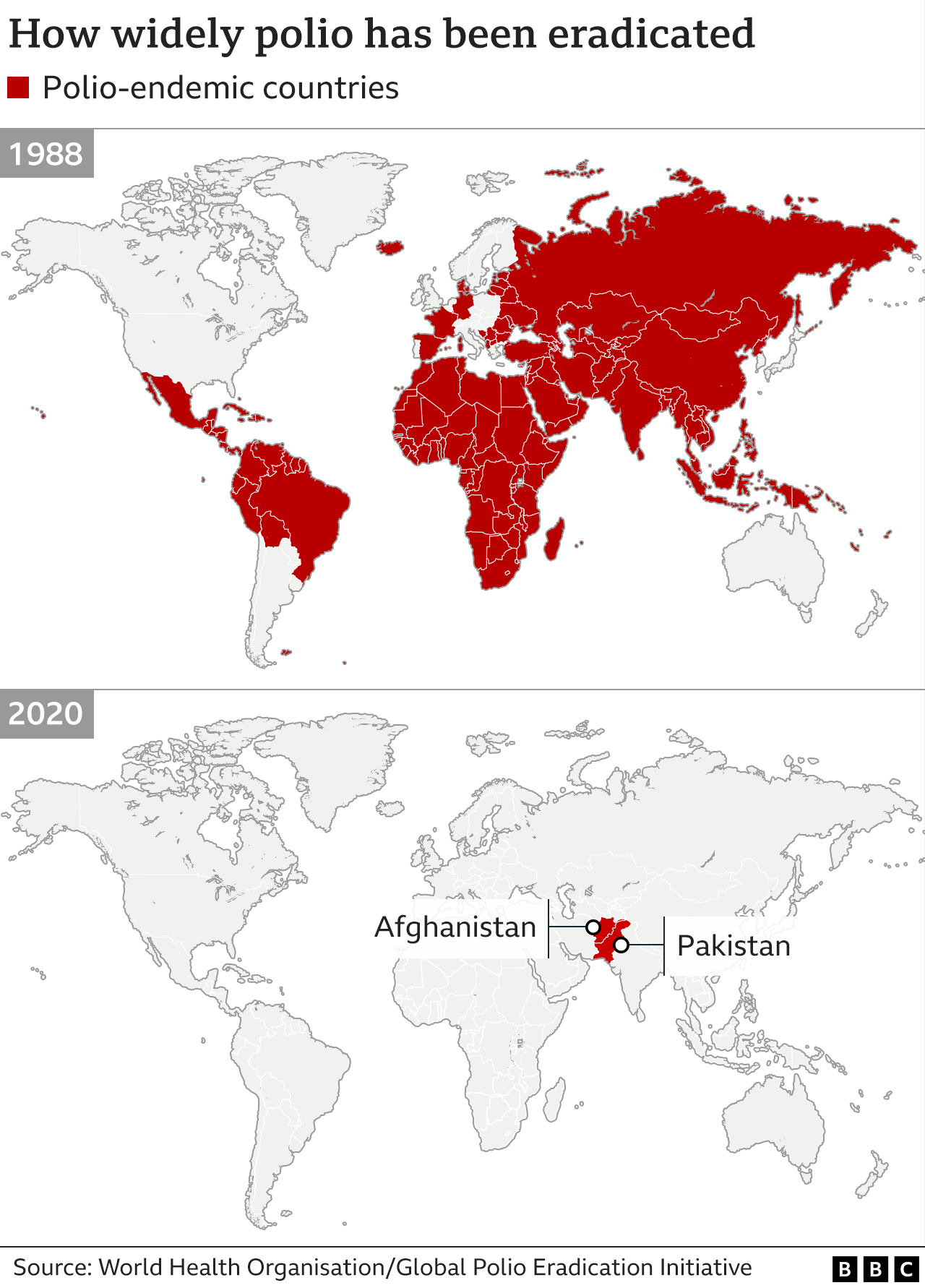
The oral vaccines are crucial in the effort to eradicate polio worldwide because the original or "wild" poliovirus is now restricted to small areas of Afghanistan and Pakistan.
Dr. Andrew Macadam of the National Institute for Biological Standards and Control in the UK told BBC News that the problem is that the organisms are genetically unstable.
The safe polio vaccine can revert to a virus with just one mutation that can escape from a child's stomach, enter their nervous system, and cause paralysis.
And if those viruses spread from an immunized child to the unvaccinated through their contaminated feces, there is a chance of infection and the possibility of an outbreak.
The polio discovered in London's sewers last year was linked to the oral vaccine, and there are now more cases of "vaccine-derived polio" than of the wild poliovirus.
To make it much more difficult for the virus to start causing paralysis once more, the researchers have genetically changed the already compromised virus.
"This region could be modified so it couldn't revert by genetically altering the virus, and this, I think, has been remarkably successful," Dr. Macadam said.
The scientific work demonstrating the vaccine was "50 to 100 times more stable," according to Prof. Raul Andino of the University of California, San Francisco, made him feel "super-proud.".
The World Health Organization released the researchers' type-two polio vaccine for emergency use in March 2021.
It has now been applied more than 650 million times, and according to Dr. Macadam, "we've never seen a reversion" back to the harmful poliovirus.
The development of stable vaccines against polio types one and three has now been described by the researchers in Nature.
The first-stage human trials of the upgraded vaccines have already been completed, and the data, which is still being analyzed, is "very promising," according to the researchers.
The three are the first brand-new polio vaccines in fifty years.
The new vaccines address the instability question, but they don't address the coverage issue, according to Dr. Macadam. "I don't think there's any question that they're helpful," he said.
It has been difficult to eradicate the final 1% of polio cases. The original target was to eradicate polio entirely by the year 2000, but getting vaccines to some of the world's poorest and most violent regions has proven difficult.
Prof. Alan Barrett from the University of Texas' Sealy Institute for Vaccine Sciences described the "super-engineered" vaccines as an accomplishment of "impressive science.".
The big question, he continued, is whether it will bring the endgame to a successful conclusion.
A "significant part" of the strategy to eradicate polio, according to Joseph Swan from the World Health Organization and the Global Polio Eradication Initiative, is to develop more reliable vaccines.
But he added: "Vaccination—not just vaccines—is what will put an end to polio. Having these new and improved tools alone won't get us there. ".
In spite of the fact that there was now a "unique opportunity" to eradicate wild poliovirus, outbreaks of the disease brought on by vaccination were posing a threat in Yemen and the Democratic Republic of the Congo, two countries that were dealing with "complex humanitarian emergencies.".
James, please. via Twitter.