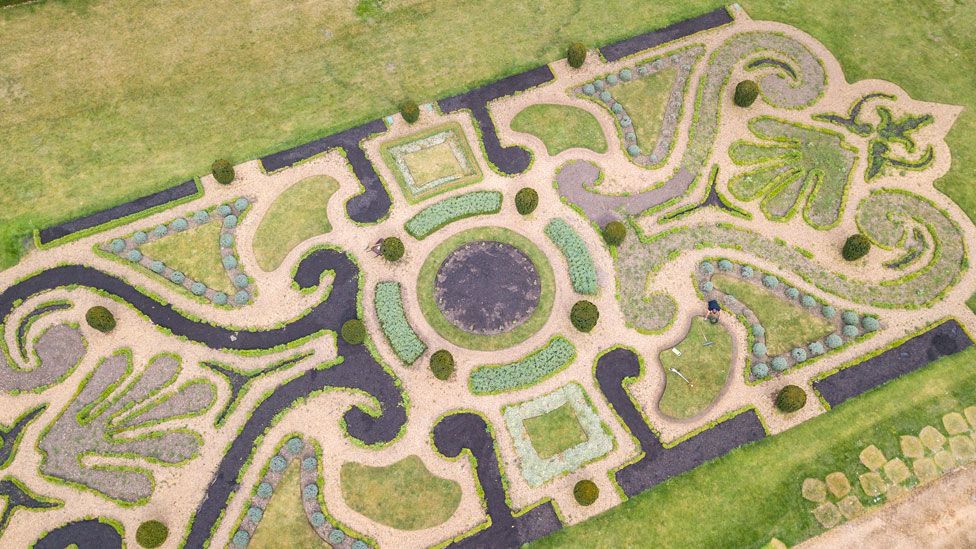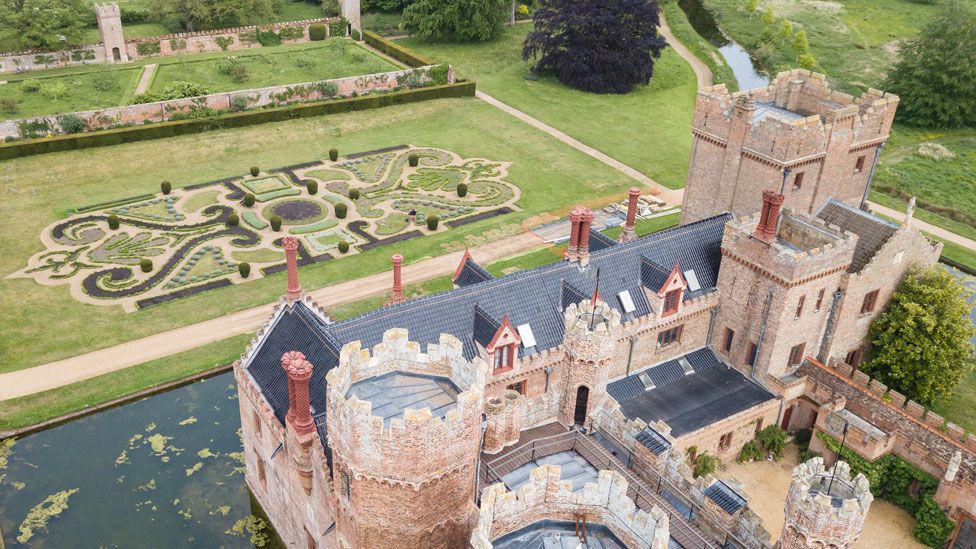
To better withstand the effects of climate change, a Grade I-listed 15th Century manor house's 19th-century garden will be modified.
The box hedging has been taken down in the Oxburgh Estate's Parterre Garden in Norfolk.
Its replacement needed to withstand "dry, exposed conditions," according to senior gardener Dea Fischer.
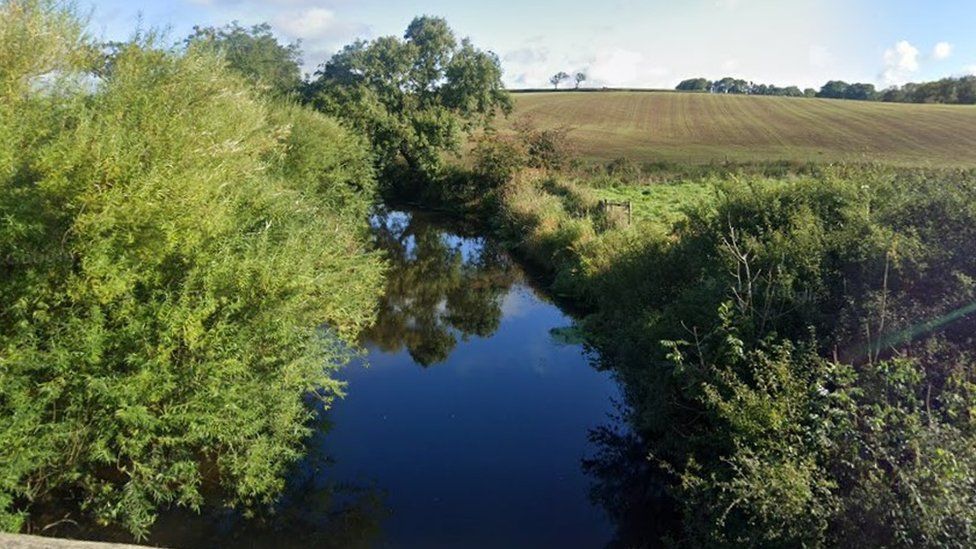
According to the National Trust, this past summer marked the estate's longest recorded drought period.
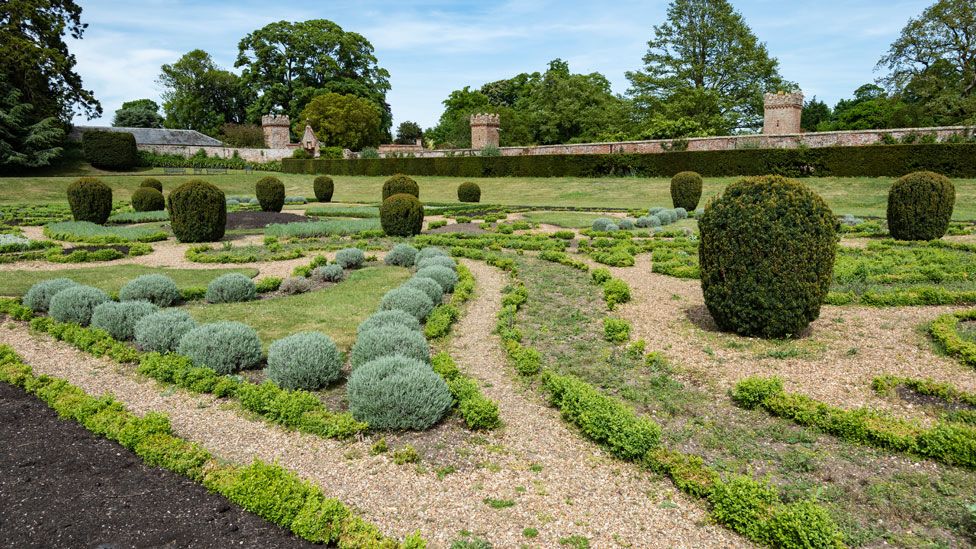
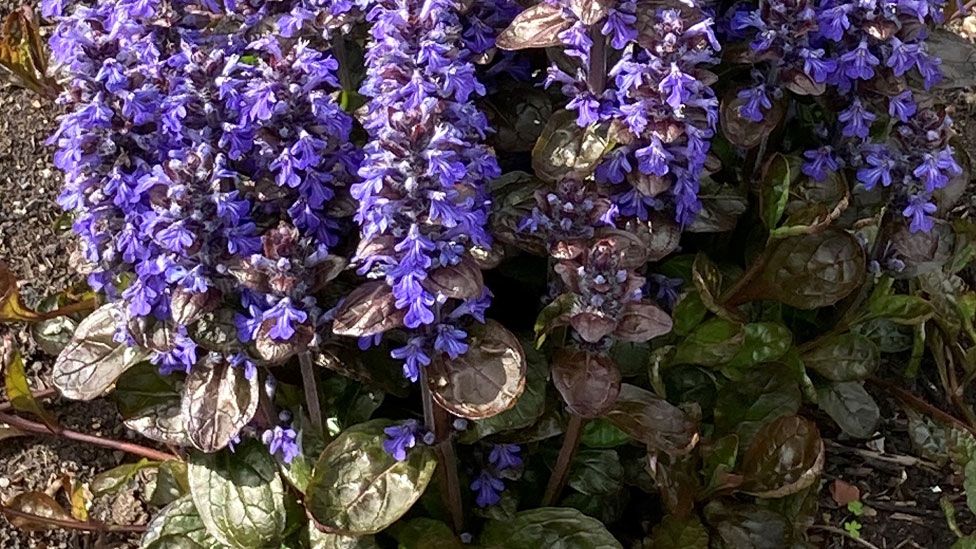
The 1848-built parterre requires a significant renovation every 30 to 40 years.
In 1972, the building underwent its final comprehensive renovation.
It will be replaced with Euonymus japonicus microphyllus because the box hedging is in danger from a fungus called "box blight," according to gardeners.
This came after a two-year hedging trial at Oxburgh, which examined three alternative species, according to Ms. Fischer.
According to her, the Euonymus "tolerates the light, sandy soil as well as the dry, exposed conditions here.".
6,000 new plants will be propagated at the Plant Conservation Centre of the National Trust, and they will start to arrive in the spring of 2024.
A year-round display will be provided by replacing the 7,000 annual plants in the parterre with perennials.
The plants, according to Ms. Fischer, "reflect the heraldry color palette of the Bedingfeld family who have lived in Oxburgh for more than 500 years.".
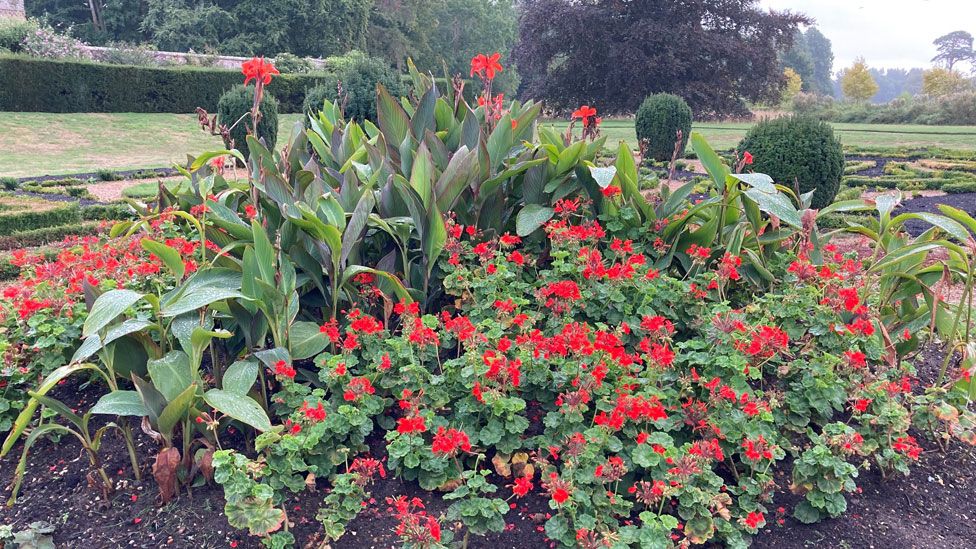
However, its central medallion will be planted with the customary red Canna indica lilies and Pelargonium Paul Crampel, which according to the records of the hall has been grown in Oxburgh since the Victorian era.
According to the National Trust, the estate is experiencing "a serious impact" from climate change, and the longest dry spell on record occurred there from summer 2022 to May.